Evidence
Four clients, four figures. Workflows that run today.
An enquiry from Italy, sent at eleven at night, is with the right sales team by morning. That is what a workflow that runs looks like. No market statistics, no counters that tick up as you scroll. Four cases with industry, size and systems, with figures before and after, the path in weeks and what went wrong. We name no names; you can ask about the figures in the call.
Cases
The four cases
-
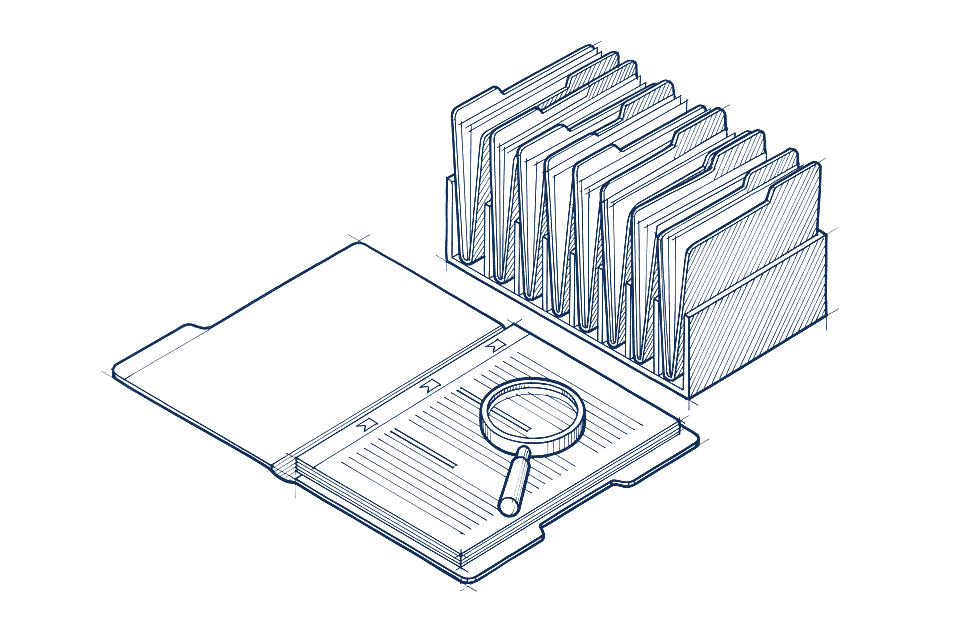
10 domainsin up to four languages checked for environmental claims under EmpCo
Energy technology manufacturer, around 400 employees: regulated texts across ten domains
A fuel cell manufacturer checks ten domains in up to four languages for environmental claims under EmpCo, with a set of rules, a dedicated tool and approval for every passage.
The case shows how to refine a set of rules when the first classification flags too much. Worth reading if your text inventory falls under a new rule.
Read the case study -
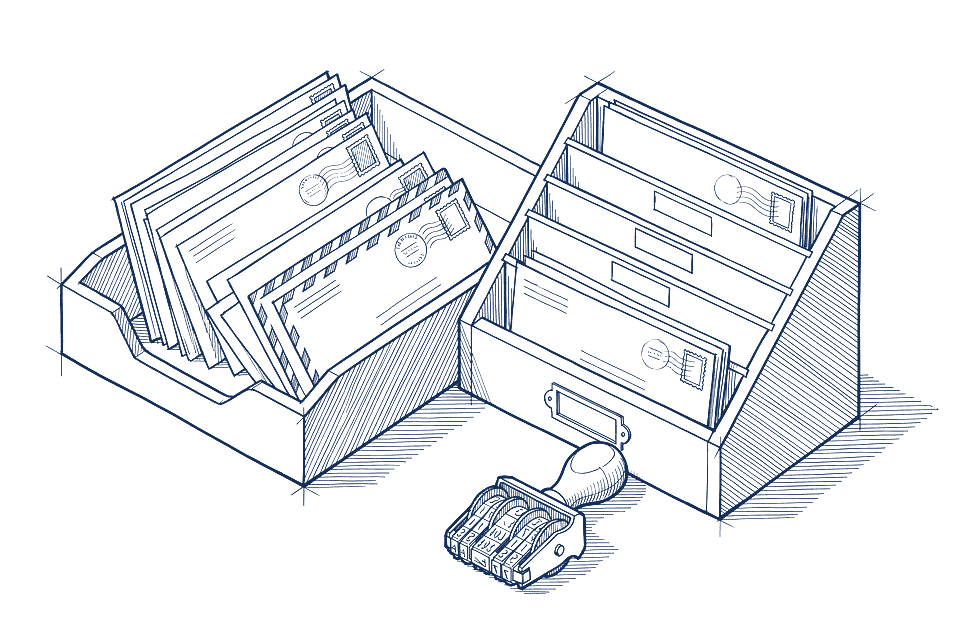
+400%enquiries from the website, each with the right team
Technical distributor, around 2,000 employees: enquiries in five languages
A distributor with eight specialist markets and twelve locations in Europe routes enquiries by rules to the right team and advises customers via a knowledge base in five languages.
The case shows why routing rules fail at the edge cases and how to collect those cases early. Worth reading if your sales team is organised by region and customers enquire in several languages.
Read the case study -
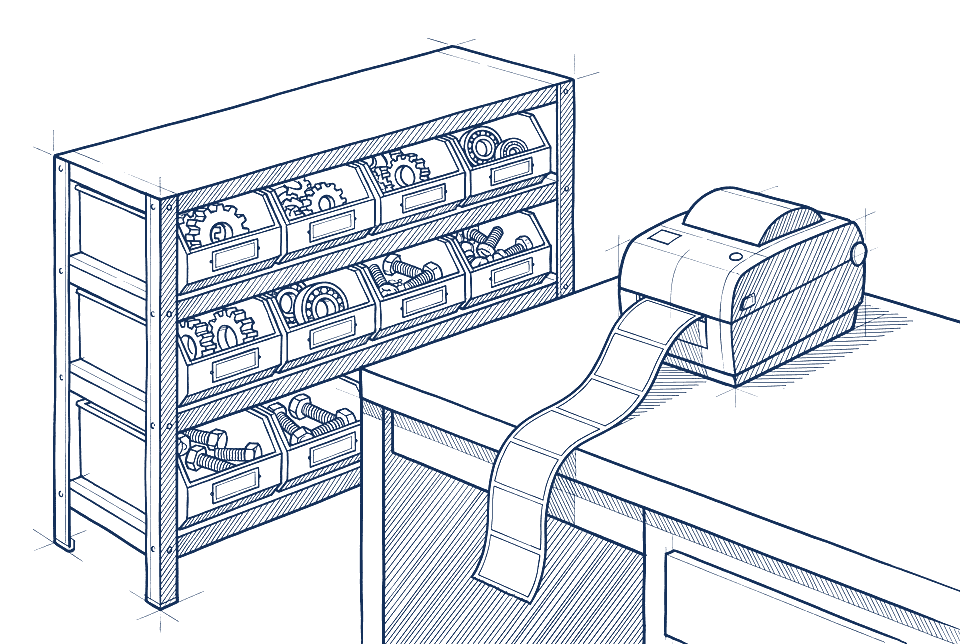
-71%Salesforce queries with 3.3 million product pages
Spare parts dealer, around 50 employees: product data from Salesforce
A spare parts dealer with around 50 employees turns Salesforce data into 3.3 million pages in four languages and cuts queries by 71 percent.
The case shows what a small team with a very large dataset needs: filters, caching and more checks than you would think at first. It is also an example of a workflow paying off at around 50 employees, as long as the dataset is large enough.
Read the case study -
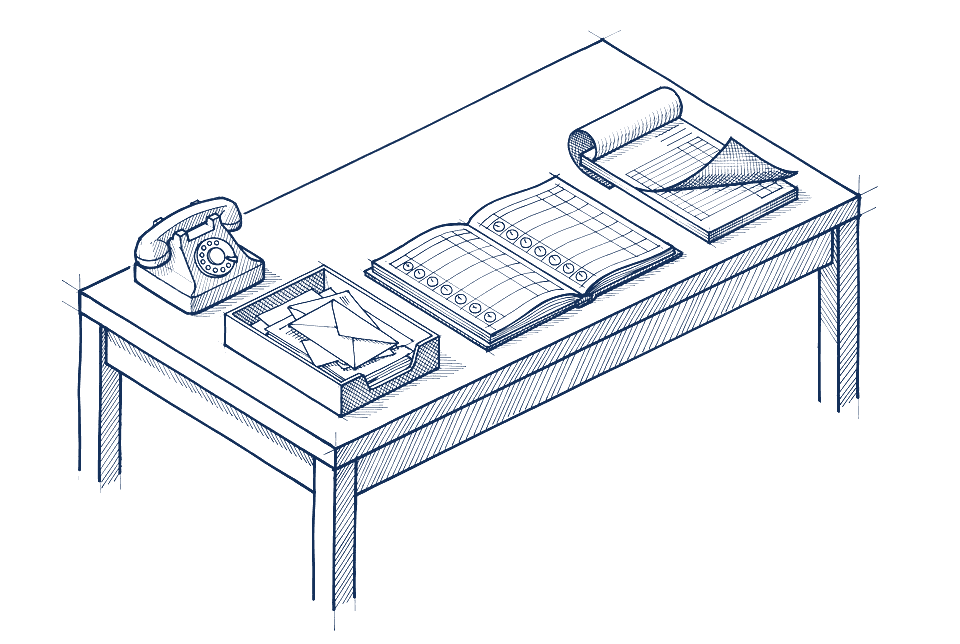
0 timesheetstasks, emails, calls and night checks as dozens of workflows
Service provider: our own operations
This case is our own operations: tasks, emails, calls and nightly checks of client systems run as dozens of workflows, without timesheets.
The case shows how many small workflows together change a business, and why every workflow has to know who it is writing for. Worth reading if you want to check whether we use what we sell.
Read the case study
Structure
The same structure, so you can compare
Every case study follows the same seven sections. That way you can see at a glance how long each path took, who approves at the end and which mistakes are typical.
- Starting point: industry, size, systems and the workflow that costs time
- Figures before: volume, lead time, effort, risk
- The path: analysis, rules, trial run, parallel operation, handover, in weeks
- Result: figures after, operating mode, who approves
- What went wrong: at least two things, with the lesson learned
- What we would do differently today
- Key facts at a glance
Anonymised means: industry, size, systems and workflow are real or assembled from real workflows, only the name is missing. Where a figure is estimated, it says "around" or "about". Approach and prices sets out what a build would cost you.
Handover
The first step is a 30-minute call.
You tell us about the workflow that costs you the most time. We tell you honestly whether AI pays off there and what the next step would be. Whether a workflow analysis follows is up to you.